


Characteristics of Kapok
• Maximum body heat regulation
• Anti-allergenic, ideal for direct contact with the skin
• Natural antibacterial
• Anti-rotting, mould-proof
• Natural oil and water repellent, the fabric stays fresh and clean over time
• Natural and highly organic fibre
In nature
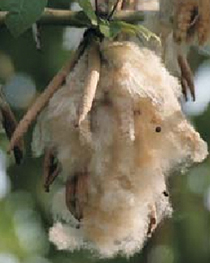
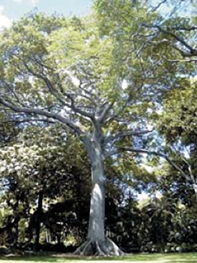
This plant fibre is produced by the tree commonly known as Kapok (Ceiba Pentrada), which originates in South America. A large plant it can reach more than 70 metres in height and its trunk can reach nine metres in circumference. The fibre is taken from large pods (around 15cm in length) which contain the plant’s seeds. In nature, inside the pod the fibre protects the seeds and therefore has huge thermal insulation powers and cannot putrefy (thanks to an outer layer of natural waxes which make it impermeable).
Uses
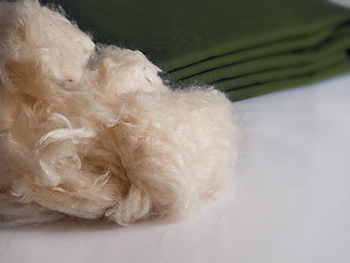
Kapok looks like cotton wool, but is much softer and shinier. The fibre is hollow and is the lightest to exist in nature - it weighs less than half of cotton – which means that it has double the insulation and thermos-regulation power.
In the past, this material was used exclusively to fill pillows and life-jackets for nautical use. It was then replaced by polyurethane foam.
The idea to use Kapok in making fabric is a very recent thing, especially considering that in the past they believed it impossible to turn fibre into thread suitable for weaving.
Ecosystem
The Ceiba Pentandra cannot be cultivated and grows only spontaneously; for this reason no pesticides are used on the plant and – therefore – none come into contact with the Kapok fibre.
It is a completely and perfectly renewable source (obviously there is no need to cut down the plants) which among other things is an important form of income for the populations inhabiting the picking areas (picking can only be carried out by hand). Kapok is a totally bio-degradable fibre and can be easily disposed of in any eco-system without causing any kind of anomaly or ecological imbalance.
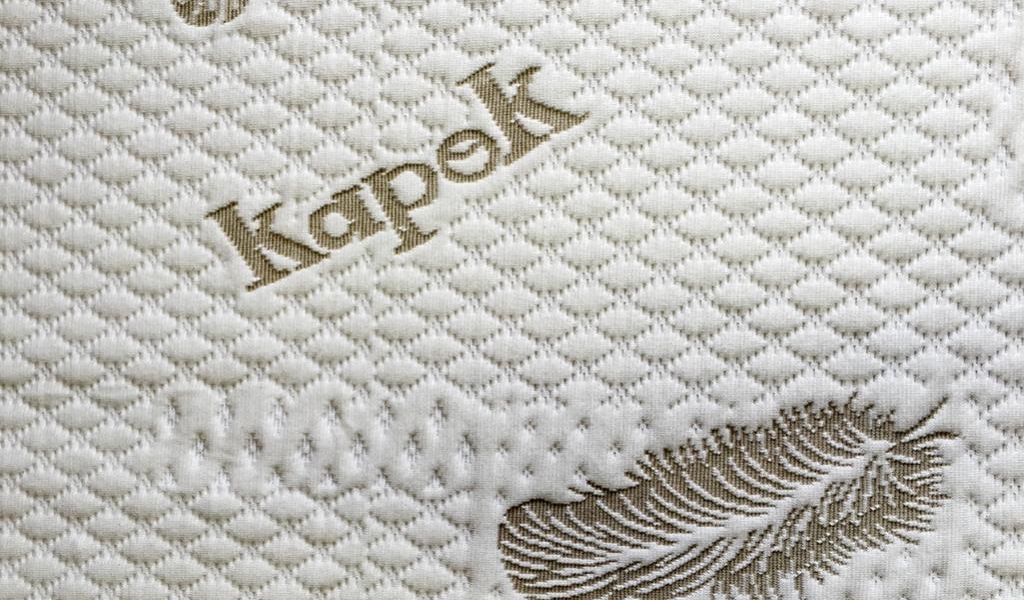
Fabric used in the THERMO AIR COMFORT mattress.

